XGIMI HORIZON 20 Max
MSRP$2,999
| Brand | XGIMI · HORIZON |
| Type | Home cinema |
| Released | October 15, 2025 |
| Resolution | 4K UHD |
| HDR formats | HDR10+, Dolby Vision |
| Imaging technology | DLP |
| Light source type | RGB triple laser |
| ISO light output | 5,700 lm |
| Throw ratio | 1.2–1.5:1 |
| Input lag (rated) | 1920×1080 @ 240 Hz: 1 ms · 1920×1080 @ 120 Hz: 2.2 ms · 3840×2160 @ 60 Hz: 3 ms |
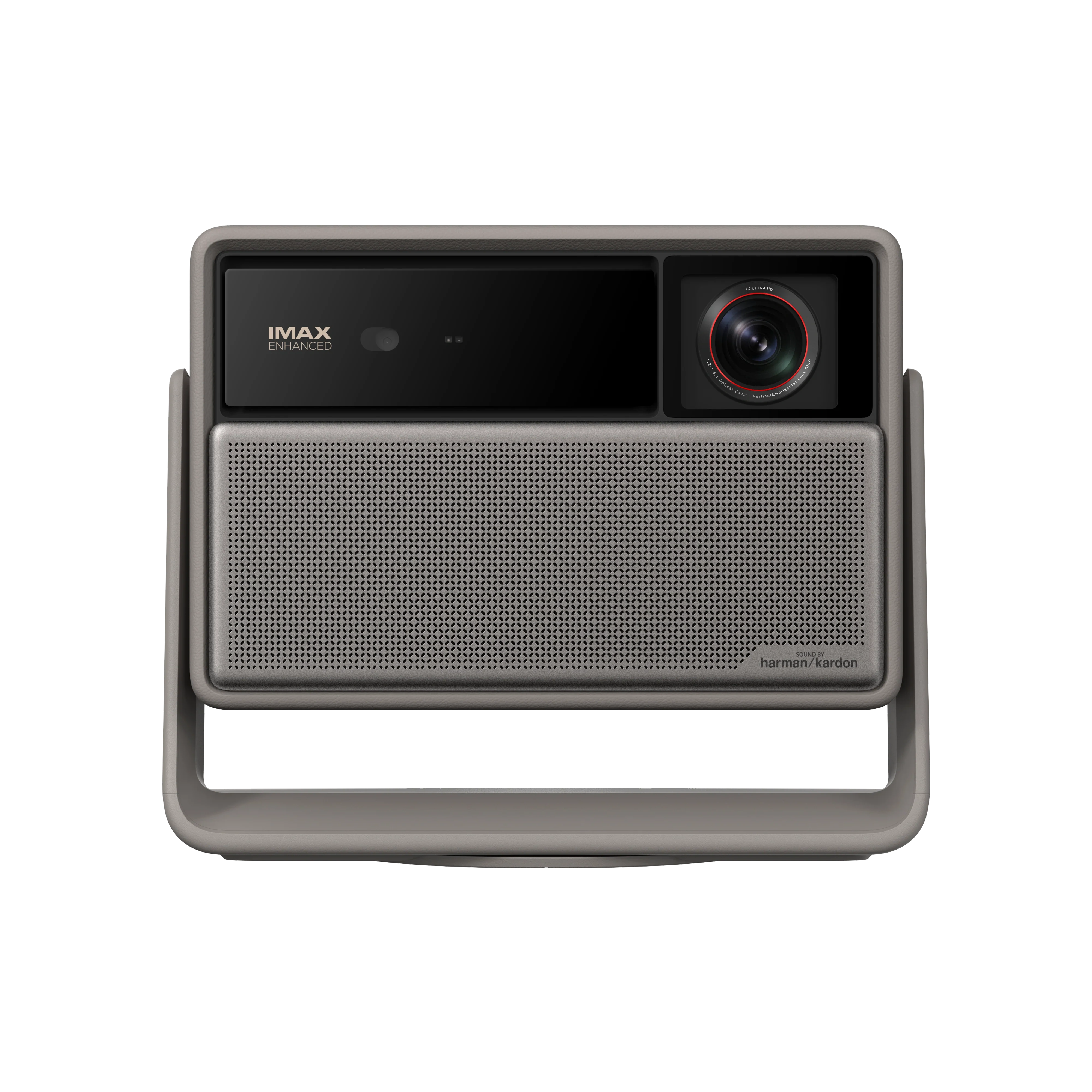
A 4K DLP home projector with an RGB triple-laser light source, rated by XGIMI at 5,700 ISO lumens, the brightest of the three HORIZON 20 models. It adds optical zoom and lens shift (V ±120%, H ±45%), Dolby Vision and HDR10+ support, 1080p at 240 Hz gaming mode with 1 ms rated latency, Google TV and 2 x 12 W Harman Kardon speakers. Laurent Willen measured up to about 4,500 lumens in the unusable high-power mode and about 3,300 at brightness level 10.
Data sheet
Picture
| Imaging technology | DLP | |
| Technology brand | DLP | |
| Chip / panel diagonal | 0.47 in | |
| Native aspect ratio | 16:9 | |
| Addressable resolution | 3840 × 2160 | |
| Dynamic contrast | 20,000:1 | |
| BT.2020 gamut | 110% | |
| Gamut metric | Area | |
| HDR formats | HDR10+, Dolby Vision | |
| Frame interpolation (MEMC) | Yes | |
| Max refresh rate | 1920×1080: 240 Hz · 3840×2160: 60 Hz | |
| Input lag (rated) | 1920×1080 @ 240 Hz: 1 ms · 1920×1080 @ 120 Hz: 2.2 ms · 3840×2160 @ 60 Hz: 3 ms Game Mode, AK (auto keystone) off | Game Mode, AK (auto keystone) off |
| 3D support | Yes | |
| 3D formats | Frame packing, Side-by-side |
Optics
| Throw ratio | 1.2–1.5:1 | |
| Zoom type | Optical | |
| Zoom ratio | 1.25×Derived | |
| Focus | Auto | |
| Vertical lens shift | ±120% | |
| Horizontal lens shift | ±45% | |
| Image size range | 40–300 in |
Light source
| Light source type | RGB triple laser | |
| Light source detail | X-Master RGB triple laser engine | |
| Light-source dimming | Manual steps | |
| ISO light output | 5,700 lm ISO 21118 | ISO 21118 |
Audio
| Speaker power | 24 W | |
| Speaker count | 2 | |
| Audio partner | Harman/Kardon | |
| DTS | Yes | |
| Audio outputs | 3.5 mm, Optical, HDMI eARC | |
| HDMI eARC | Yes |
Inputs, control & connectivity
| HDMI port count | 2 | |
| HDMI ports (feature-level) | HDMI 1: HDMI, eARC; HDMI 2: HDMI | |
| Control ecosystem drivers | Google Home | |
| Wi-Fi | Wi-Fi 6 | |
| Bluetooth version | 5.2 | |
| Auto keystone | Yes | |
| Screen fit / alignment | Yes | |
| Obstacle avoidance | Yes |
Firmware / software
| Smart OS | Google TV | |
| Netflix | Native | |
| Casting | Chromecast built-in, DLNA | |
| SoC | MT9679 | |
| Update policy | Security updates until Oct 15th 2027 |
Environment & power
| Operating temperature | 0–40°C | |
| Operating orientations | Table, Ceiling, Rear | |
| Rated voltage | 100–240 V | |
| Rated frequency | 50–60 Hz | |
| Power consumption (max) | 280 W | |
| Power consumption by mode | Brightness level 10: 176 W · Boost: 188 WMeasured Wall-socket measurement by Laurent Willen; he also reports "just over 100 watts" at the lowest brightness level | Wall-socket measurement by Laurent Willen; he also reports "just over 100 watts" at the lowest brightness level |
| Power supply | External brick | |
| Fan noise (sound pressure) | Rated: 28 dB(A) 25°C ambient, 1 m distance (page footnote 12); mode not stated | 25°C ambient, 1 m distance (page footnote 12); mode not stated |
| Noise measurement distance | 1 m |
Physical & installation
| Width | 298 mm | |
| Depth | 190 mm | |
| Height | 249 mm | |
| Weight | 5.4 kg | |
| Colours / finishes | Elephant grey | |
| Tripod socket | Yes |
Support & ownership
| Warranty | 🇺🇸 US 2 yr · 🇬🇧 GB 2 yr · 🇪🇺 EU 2 yr The US page lists the HORIZON 20 Max by name. The UK and EU pages carry the same two-year wording (the EU page for laser projectors); each is limited to the region of purchase and to purchases from XGIMI's official channels. | |
| User manual | https://helpcenter.xgimi.com/hc/en-gb/article_attachments/50404742316697 | |
| Photobiological risk group | RG2 | |
| Safety & market certifications | CE, FCC |
In the box
| Box contents | Remote, Batteries, Power adapter, Documentation | |
| Remote type | Bluetooth |
Tools
- Throw calculator — How far from the screen the HORIZON 20 Max needs to sit for a given image size, set to its 1.2–1.5:1 lens.
- Download spec as CSV — Every value on this data sheet with its unit and source, one row per spec.
- Download spec as JSON — The same data from the open data API, with variants and identifiers.
Variants & identifiers
Use these to confirm a listing is this exact model. Any of them works at /p/{code}.
| Variant | Region | Type | Code |
|---|---|---|---|
| Elephant Grey, US | 🇺🇸 US | ASIN | B0FN7WG453 |
| EAN | 6935670509154 | ||
| Maker SKU | GMN_004315 | ||
| Regional code | XR16A |
Reviews
| Date | Title | Publication |
|---|---|---|
| September 4, 2025 | XGIMI Horizon 20 Max: Test / Review | Laurent Willen |
Video reviews
Similar models
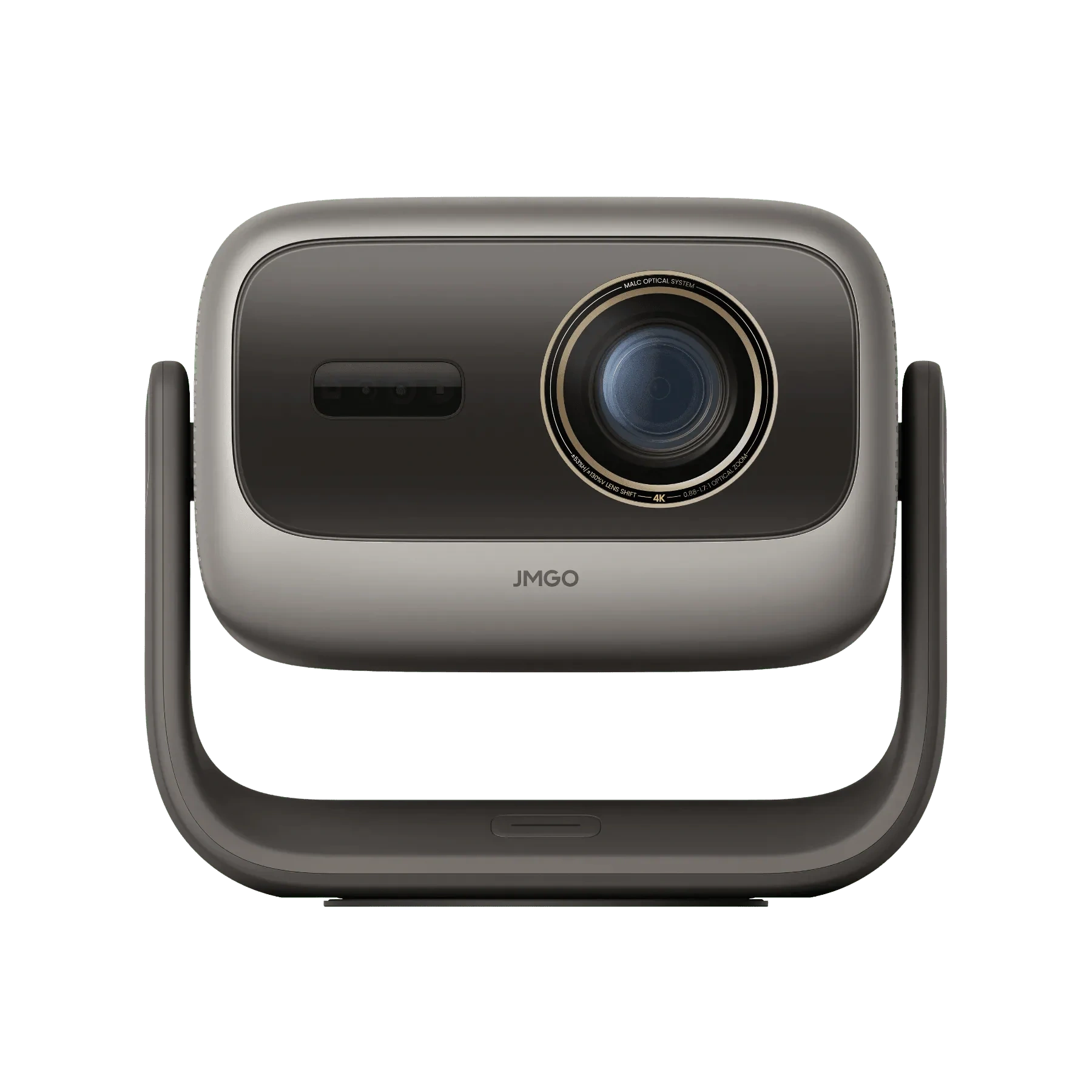
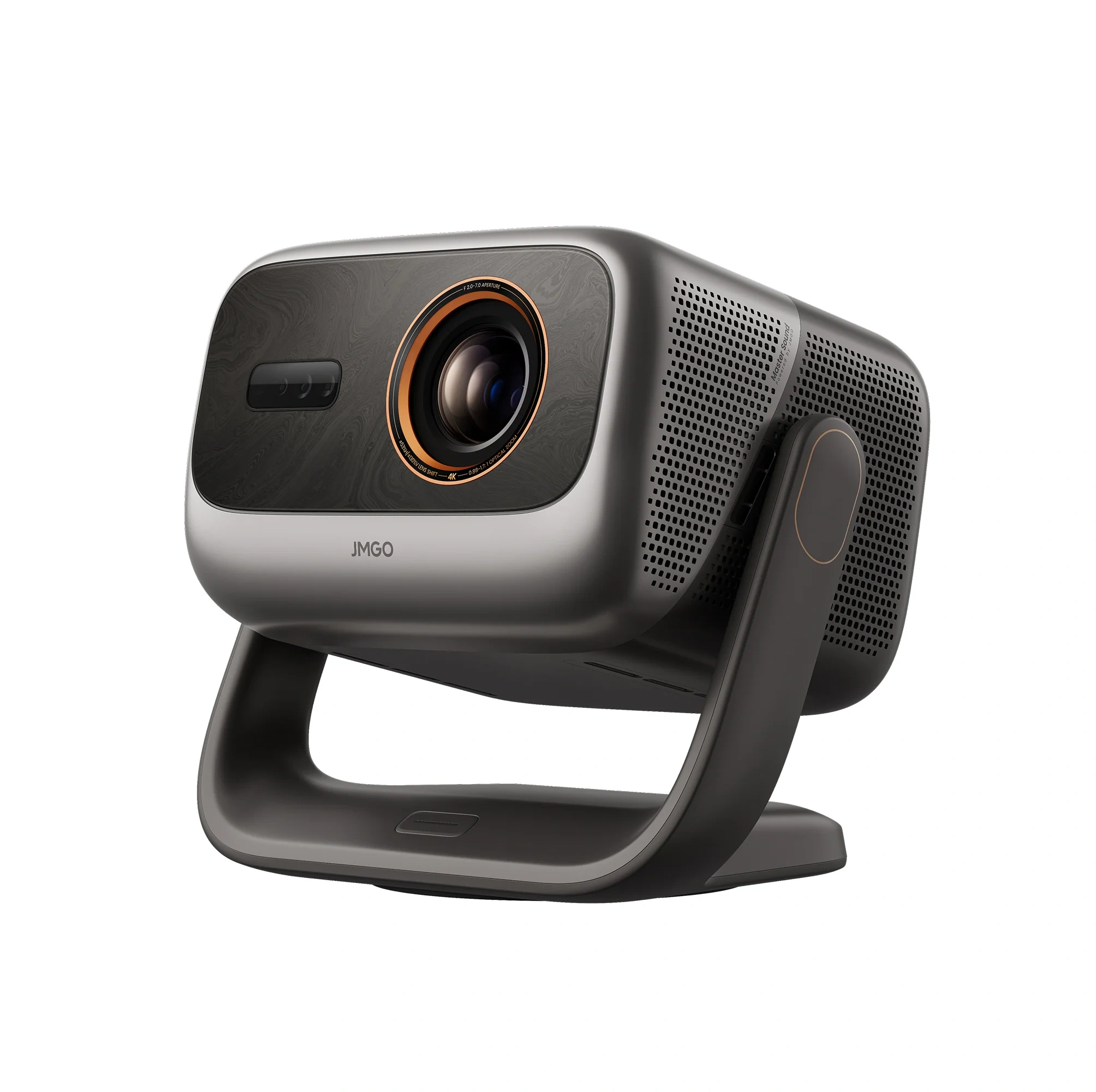
JMGO
N3 Ultimate
4K UHD (1080p pixel shift) · DLP · 5,800 ISO lm · 0.88:1 throw
MSRP $2,999
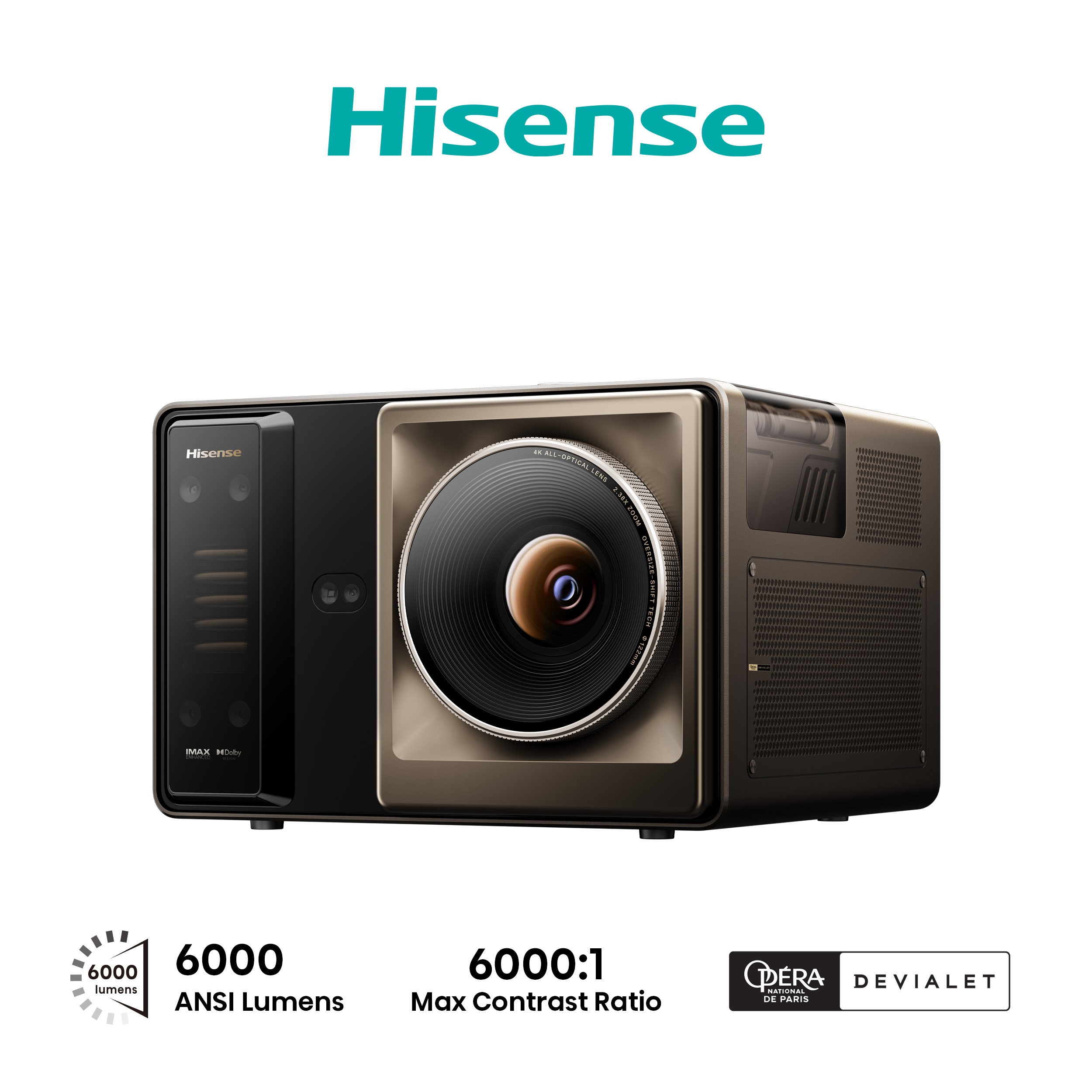
Hisense
XR10
4K UHD (1080p pixel shift) · DLP · 6,000 ANSI lm · 0.84:1 throw
MSRP $6,999.99
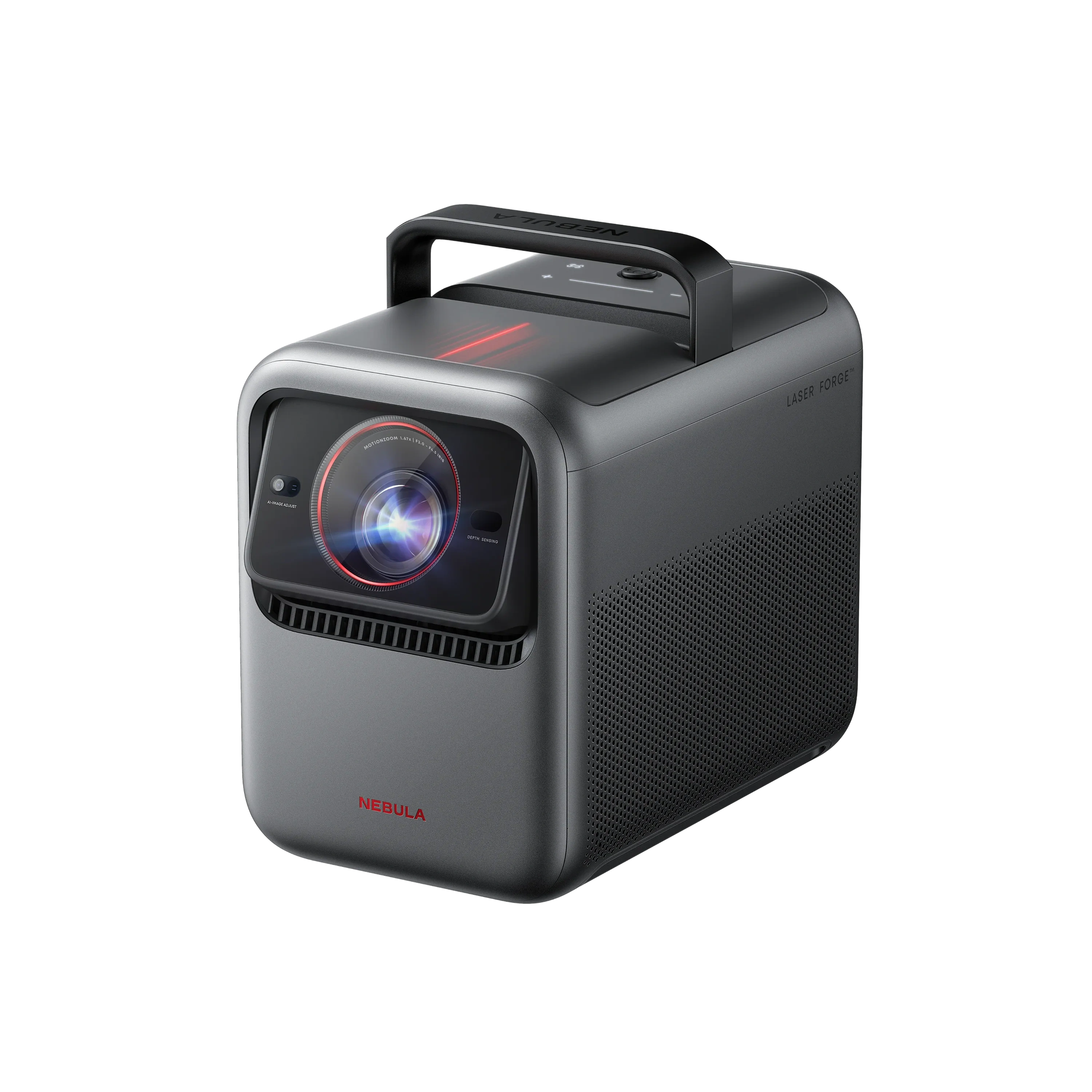
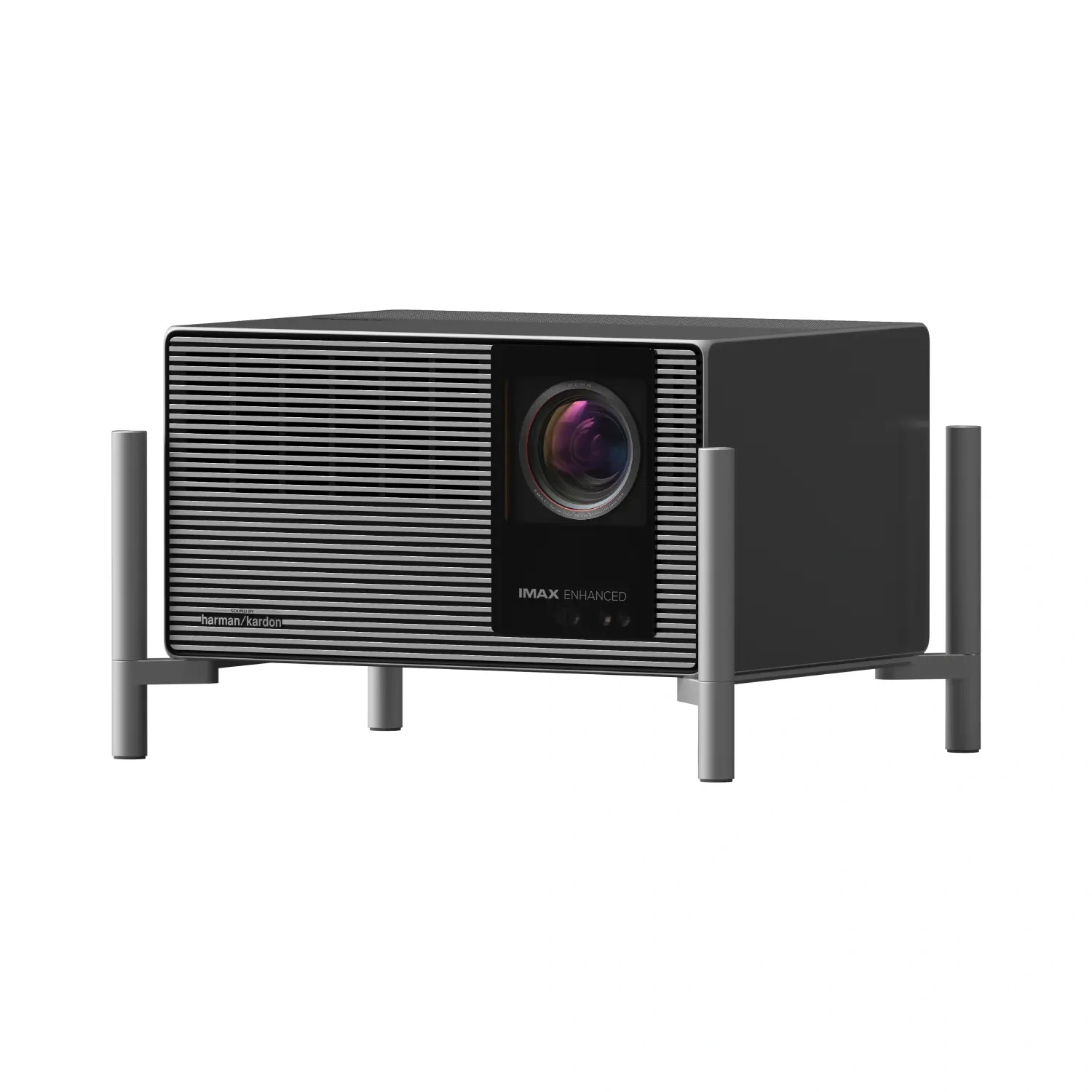
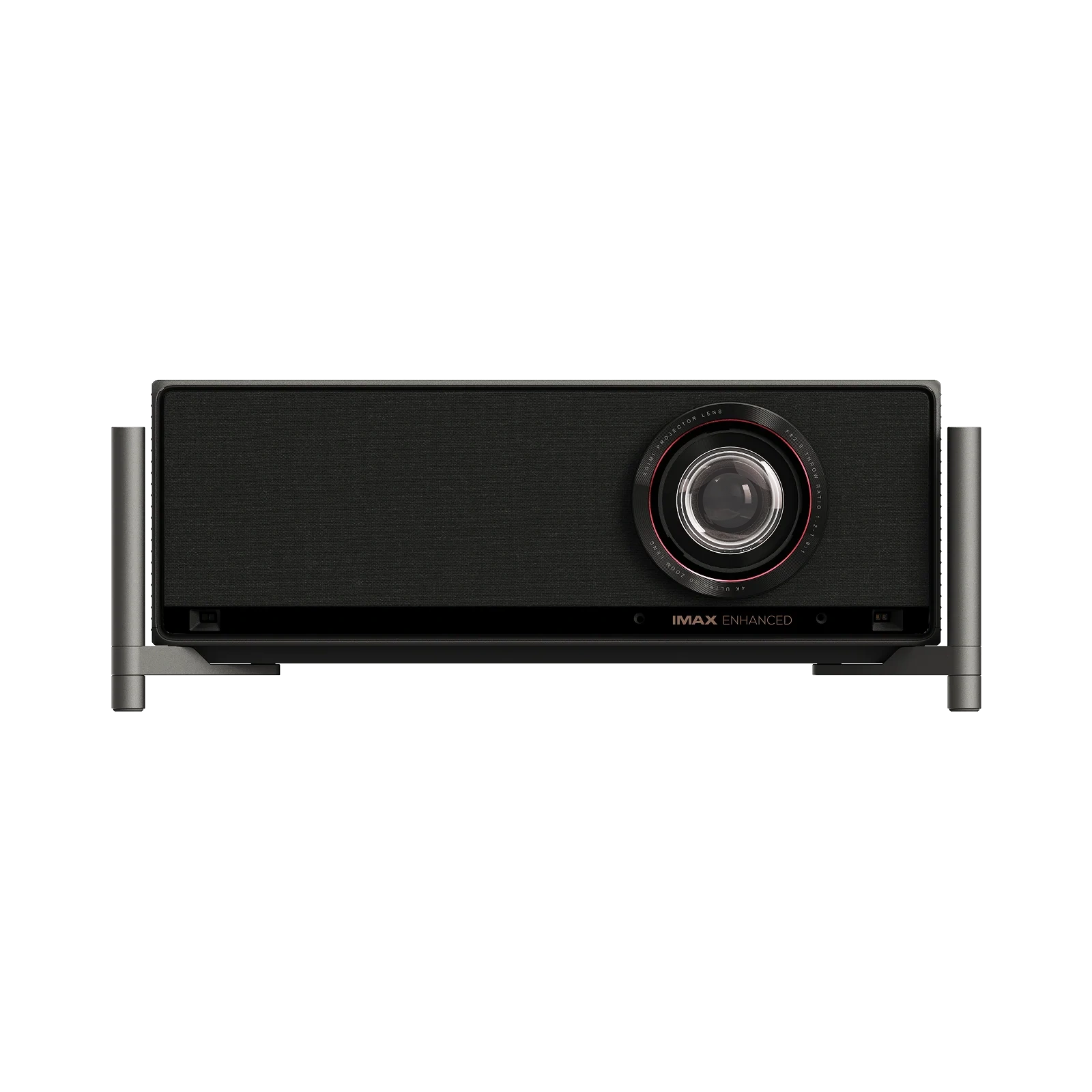
XGIMI
TITAN Noir Pro
4K UHD · DLP · 6,000 ISO lm · 0.98:1 throw
MSRP $4,999
Sources
- XGIMI US HORIZON 20 Max product page (technical specifications)
- XGIMI US store product data for HORIZON 20 Max (barcode, SKU, price, images)
- Laurent Willen
- XGIMI UK HORIZON 20 Max product page (technical specifications)
- XGIMI HORIZON 20 series regulatory and safety leaflet (multilanguage PDF, XR13A / XR14A / XR16A)
- XGIMI US: Warranty Policy
- XGIMI UK limited warranty
- XGIMI EU limited warranty policy
- XGIMI HORIZON 20 series user guide (multilanguage PDF, XR13A / XR14A / XR16A)